Kolbe Course Central
  • Home
  • Subject Offering
  • Subject Selection Process
  • Home
  • Subject Offering
  • Subject Selection Process
Search by typing & pressing enter

YOUR CART

Human Biology General

What does the course entail?

The Human Biology General course gives students a chance to explore how the human body works. Students focus on bones, muscles, nerves and hormones, and how they maintain the body to act in a co-ordinated manner. The causes and spread of disease and how humans respond to invading pathogens are studied, as well as the role of males and females in the process of reproduction.
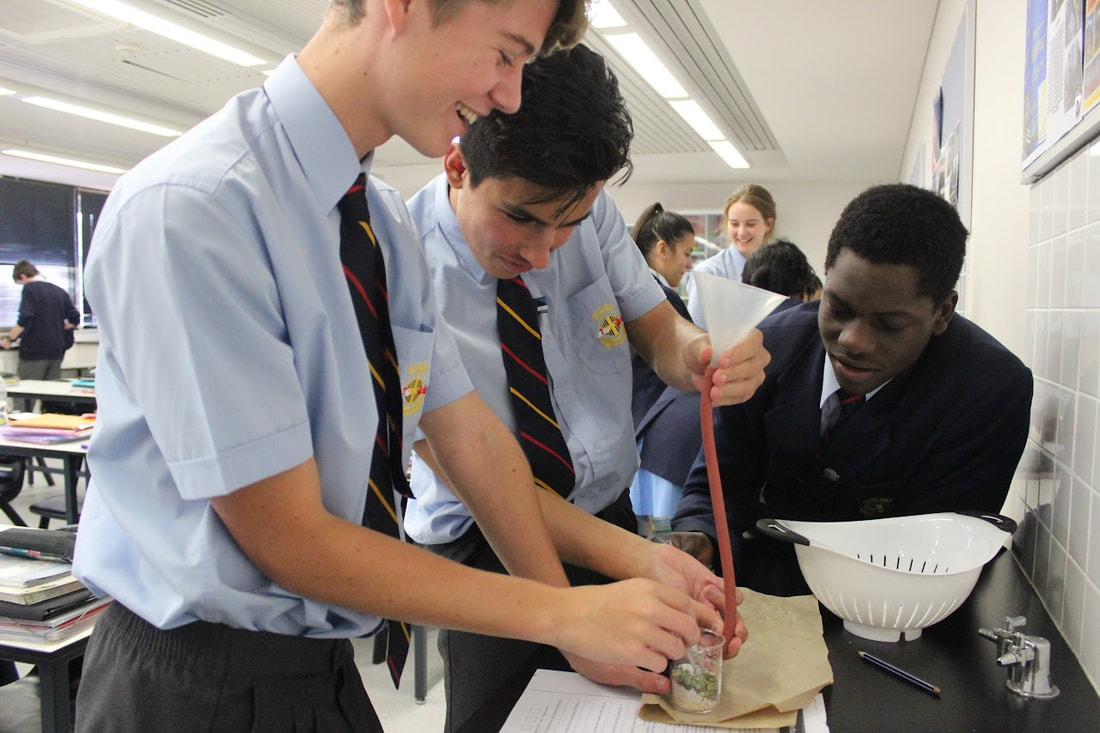
Students investigate the body systems through dissections and practical examination of cells, organs and systems. They research contemporary treatments for dysfunctions of the body systems and are encouraged to use ICT to interpret and communicate their findings in a variety of ways. Second-hand data is used to investigate transmission of diseases from a historical perspective and recent global incidences.

What will be covered in this course?

YEAR 11
UNITS 1 & 2

Within this unit, students will explore how the systems of the human body are inter-related to help sustain functioning to maintain a healthy body.
Cells are the basic structural and functional units of the human body. Materials are exchanged in a variety of ways within and between the internal and external environment to supply inputs and remove outputs for life processes. The respiratory, circulatory, digestive and urinary systems control the exchange and transport around the body of materials required for efficient functioning.
Students will also spend time exploring the role that males and females have in reproduction, including contraception, and the issues of sexually transmitted infections. Students learn about the reproductive system of males and females and how they are specialised in many different ways to produce differentiated gametes and ensure the chances of fertilisation and implantation are more likely.
The healthy development of the embryo and foetus can be monitored, and technologies available will be presented. Where there are instances of infertility, options available for couples, along with associated risks, will be considered, in addition to lifestyle choices that can affect fertility. Sexually transmitted infections will be researched, and effects, treatments and ways to minimise infection will be examined.

Assessment structure
Students undertaking this subject will encounter a variety of assessment types.
  • 40% Test
  • 40% Science inquiry (Practical/Investigation)
  • 20% Extended Response

Expectations
This course contains compulsory dissections. These will often contribute to assessment tasks. Please do not take this course if you are not intending to complete dissections.

YEAR 12
UNITS 3 & 4

In this unit, students will explore bones, muscles, nerves and hormones and how they maintain the body to act in a co-ordinated manner.
The structure and function of the musculoskeletal system provides for human movement, balance and growth as the result of coordinated actions. This is brought about by the interaction of the musculoskeletal system with the nervous and endocrine systems. Conditions affecting these systems, such as sporting injuries, hearing and vision defects, can result in a decrease or loss of function.
Students will also explore the causes and spread of diseases and how humans respond to invading pathogens. Disease is caused by various pathogens that are transmitted between individuals and populations in many different ways.

Assessment structure
Students undertaking this subject will encounter a variety of assessment types.
  • 35% Test
  • 30% Science inquiry (Practical/Investigation)
  • 20% Extended Response
  • 15% Externally set task

Expectations
This course contains compulsory dissections. These will often contribute to assessment tasks. Please do not take this course if you are not intending to complete dissections.
Picture

Head of Learning Area: Mrs Michelle Prasad
Contact Number: 9591 4218
​
Contact Email: [email protected]
Proudly powered by Weebly